
Photo by AndreyPopov from Getty Images via Canva.com
In this article:
Updated 2026
A hot seller’s market and a dream kitchen make a perfect recipe for buying a home as is with no contingencies. However, buyers should not waive the right to a home inspection unless they're purchasing a home at a rock-bottom price that provides sufficient capital reserves to repair or replace all the electrical, plumbing, and roofing systems and still come in under budget.
Contingencies have earned a bad name, but home inspections are the exceptions. Beneath that façade of elegant, contemporary wallpaper may lurk deep cracks signifying a foundational issue. A little water spot may signal a much larger plumbing issue. It could also indicate a mold issue requiring the buyer to strip the room and replace all the drywall. It’s not worth skipping the few hundred dollars for the inspection fee.
Learn about what home inspections are, what isn't included in a home inspection, and what home inspectors look for during the home buying process.
What Is a Home Inspection?
A home inspection is neither an insurance policy nor a comprehensive analysis of every flawed feature in a home. Unlike buying a car, prospective homebuyers cannot request a CarFax history report. Instead, they must rely on personal inspection, the seller’s disclosure, and a home inspection. A home inspection only provides buyers with visual observations of the home and its accessible features.
If rot or black mold exists beneath the drywall, the home inspection report will not address these matters, as they're not visible to the inspector. However, if there are indications of black mold, a home inspector would customarily notate its possibility based on circumspection.
The level of training and certification required to become a home inspector varies from state to state. For instance, military-heavy states, such as California, do not require home inspectors to have a license. Other states, such as South Carolina, have far more stringent licensing and credentialing requirements.
Before hiring a home inspection company, inquire about its licensing and credentials.
What Isn't Covered in a Home Inspection
There are some home issues that most home inspectors don’t address because they lack the requisite certifications to do so. Here are some examples:
- Asbestos
- Lead Paint
- Infestation
- Radon Gas
- Toxic Mold
While these are significant items to overlook, there are many other concerns for the inspectors to search for.

Photo by Jakraphong Pongpotganatam from Getty Images via Canva.com
Who Pays for a Home Inspection?
In most real estate transactions, the buyer pays for the home inspection. Since the inspection is part of the buyer’s due diligence, they typically choose the inspector, schedule the appointment, and cover the cost out of pocket.
If you’re using a VA home loan, it’s important to understand the distinction: the VA requires a VA appraisal, not a home inspection. The appraisal is ordered to ensure the home meets the VA’s Minimum Property Requirements (MPRs) for safety, soundness, and sanitation. However, this appraisal is not a substitute for a home inspection. A separate inspection is still strongly recommended so buyers can get a deeper understanding of the home’s condition beyond the basic VA home loan inspection requirements.
Home inspections typically cost a few hundred dollars, and they’re paid at the time of service, often before closing.
That said, there are a few exceptions. Some sellers opt for a pre-listing inspection to identify and fix issues before putting the home on the market. In certain markets or contract scenarios, buyers may negotiate for the seller to cover inspection costs or offer a credit at closing.
What Home Inspectors Look For
There are a few key items that every home inspector should check for, so make sure to ask about the following six categories. Failure to do so could cost thousands of dollars in repairs not covered by home insurance.
1. Plumbing
Most home shoppers know the simple plumbing check tricks, such as flushing the toilet while running the shower to see if it causes water temperature or pressure changes.
Unfortunately, as with most of the key items on this list, the real plumbing issues are often concealed behind the bathroom tile work, making it challenging to identify problems. A home inspector should check for even the slightest leak or seepage.
Request that the inspector go beneath the property from the crawl space to check the subflooring for signs of damage. It’s appropriate to ask for this extra step. If red flags are lurking down there, it’s much better to know now.
Here’s one example. After being left in the hands of tenants for two years, a tiny, seemingly inconsequential, yet consistent, leak in one bathroom required a full gutting and replacement of that bathroom, plus the adjacent bathroom, for one unfortunate military spouse. A major repair is one issue homeowners don’t want to deal with between tenants or in the middle of a home sale.
2. Electricity
When buying a distressed property, the damage to the electrical wiring systems may be quite visible, particularly if the property was a foreclosure with forced eviction. It's not uncommon to see homes with wires cut by vacating homeowners, their disgruntled and displaced tenants, or vandals taking advantage of the opportunity of an empty house.
Even when not purchasing a distressed property, buyers should know that just because the lights turn on, it doesn’t mean that fire hazards don’t exist. The inspector will look for dangling wires in electrical closets, garages, or outside the home, which could reflect signs of DIY electrical work.
If the previous homeowners lived in the property for a decade or more, then mention this point to your inspector because the electrical wiring may no longer be up to current building codes. This information may help the inspector better identify problem areas that could cost thousands of dollars to rewire.
3. Roofing
The roof is yet another big-ticket item, so buyers should be prepared for when it’ll need to be replaced. The home inspector's report will reveal if the roof is original to the house or if it's been replaced. They’ll also include the current condition of the roof. Home inspectors are not required to get up on the roof to inspect it, but they often do. A close-up inspection makes a difference, so ask home inspectors if they’re willing to do this before deciding who to hire.
If the roof has five or more years left on it, then the buyer can request a replacement estimate and budget for its replacement. Military homeowners have very little chance of reselling the home after a three-year duty station tour without replacing the roof in this case. If the roof is in considerable disrepair, there may be wiggle room to negotiate a roof replacement or partial roof credit from the seller at closing.
4. Foundation
One young service member who left the military to move to Washington was excited to buy a quaint, historic bungalow in a downtown district for approximately $200,000. As he was purchasing in a highly competitive sellers’ market, where houses sold almost the minute they hit the market, he chose to forego the inspection contingency.
His decision was not uncommon, as many online resources suggest that skipping the inspection makes the offer look more attractive to the seller. Nothing in the seller’s disclosure hinted at the $100,000 repair bill this young man would pay within a year of moving into his new home.
When he pursued building a man cave in his unfinished basement, a local contractor told him that his foundation was in such poor condition that it was unsafe to be in the basement, let alone the house itself. With this information provided by a hired contractor, the homeowner is now legally required to provide this information in his seller’s disclosure when he moves to sell. Stuck in this situation that no homeowners insurance would cover, he borrowed money to make the repairs. When the time came to sell his home about five years later, he sold it for just a little more than what he paid for it initially. His choice to skip a home inspection cost him $100,000.
Buyers can avoid being the subject of a grievous story like this one by ensuring that the inspector thoroughly inspects the cause of any cracks visible in walls, the roof, the exterior, and especially in the basement. If their report doesn’t address the visible splits, ask about the cause. It’s not wise to accept the “house settling” as a sufficient response for large cracks.
Inspectors should also note if a floor crack extends under a wall and other signs of foundational issues, such as sloped floors, bowed walls, and doors that don’t fit frames.
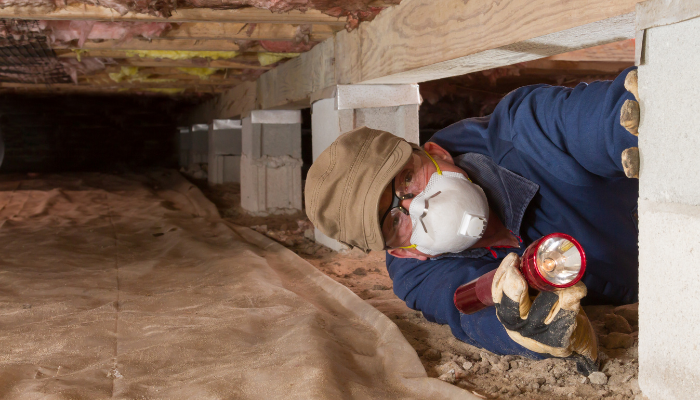
Photo by SL Radcliffe from Getty Images Signature via Canva.com
5. Drainage
Run-off water accumulated in the new home or yard is one thing homeowners don’t want to see. Walk through the entire yard to test for large, squelchy spots that may indicate poor drainage. Drainage is related to land gradations, which a builder’s report may contain for a newer home, but the best way to inspect for this is to visit the property on a rainy day.
While home inspectors are unlikely to inspect the property during the rain, as it will impede their ability to check the exterior of the property and the roof, they should tell you if there are indications of regular standing water.
Given the foundational issues that drainage and standing water can cause, if there's any reason to doubt the quality of drainage on a property, continue the search for a home to buy.
6. Appliances and Heating/Air Conditioning (HVAC)
Home inspectors note the age and performance of major appliances such as the water heater, oven, and HVAC system. They’ll report if any of these appliances show rust or other damage, indicating they need to be repaired or replaced. The inspector will check whether the unit operates correctly, when it was last serviced, and other issues. For example, if a larger home only has one A/C unit, this could be a concern for higher energy costs.
Other Reasons for a Home Inspection
1. When there is an inspection contingency.
When the success of the home sale is dependent on the results of the inspection, it’s called an inspection contingency. It allows the buyer to walk away if the report reveals anything alarming about the property, versus buying a home as is.
2. When purchasing a new build.
Although new construction must meet local building codes, a home inspection can help recognize any flaws or potential issues with the new house.
3. When you’re looking for an informative home inspection.
Even if the contract is not contingent on the inspector’s finding, meaning that the sale will move forward regardless of their report, an informative home inspection can be a helpful tool when preparing to move into a new home and budget for potential maintenance.
The purpose of a home inspection is to find out if there are severe structural or mechanical defects. Understanding what a home insurance policy covers is crucial. For example, an issue like old electrical wiring might be a red flag that prevents a buyer from insuring the house, and a lack of homeowners insurance renders a buyer unable to close on the home. Thankfully, an experienced buyer’s agent can help negotiate with the seller on any prominent issues the inspector brings to attention. Sometimes, the buyer’s agent can also negotiate on who pays for the home inspection as well.
Buying a home is one of the largest financial transactions someone can make, so it’s essential to know the details before buying a home. The simplest answer to “What happens if you skip a home inspection?” is that you’re taking on the full risk of buying a home as is, both the known issues and hidden problems, without a clear picture of what you’re buying. Having a home inspection can help provide a clear list of responsibilities associated with owning a home.
MilitaryByOwner has helped military families navigate housing and relocation decisions since 2000. Explore additional PCS resources, military housing guides, and relocation tools designed specifically for military life.
To learn more about closing on your next home, get our free guide below.

back to top