What you'll learn in this article:
When selling a home, it’s time to get familiar with the VA home loan—yes, even those who aren’t military or veterans. Here’s why. Veterans or active-duty military home buyers are likely to use the VA loan when purchasing a home.
What Is the VA Loan?
For those unfamiliar with it, the Department of Veterans Affairs helps eligible home buyers purchase a property at a competitive interest rate, often without requiring a down payment or private mortgage insurance. That means that the VA not only offer zero down payment loans, but also have lower credit requirements than alternative financing options.
So it's no surprise that the VA loan is a popular choice. For people selling a home near a military installation, the likelihood of potential buyers using this lending option skyrockets.
And while some duty stations are tucked away in remote locales, plenty reside in the heart of major cities that many overlook or don't even realize are there. Thorough research can help sellers consider all aspects of the buyers in the area. As a home seller in a heavily military-dominated or veteran-friendly market, consider getting to know the lending terms of the VA loan and how to market to VA home loan buyers.
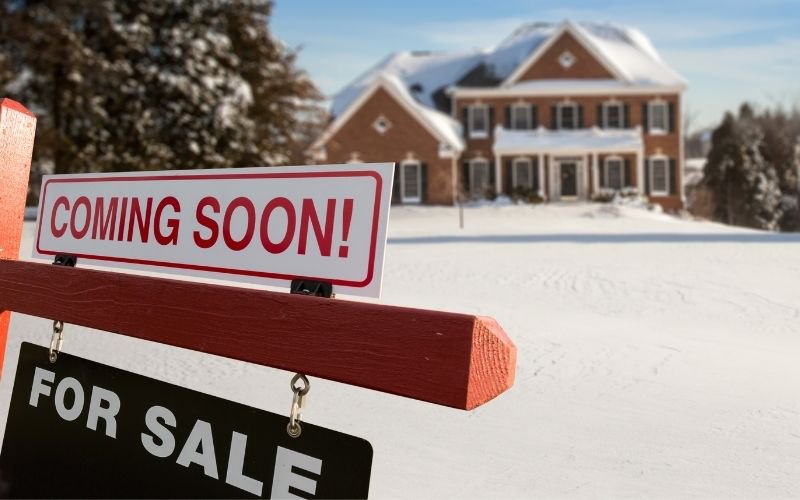
Preparing Your Home to Sell to a VA Home Loan Buyer
There are some key things to know about selling your home to a VA home loan buyer.
“One is that there isn't a safer bet to close on the market. VA loans have had a higher average closing success rate than conventional loans over the last five years. The other piece is that sellers are not required to pay any costs on behalf of a VA buyer. There’s a misconception that sellers have to pay a VA buyer’s closing costs or are on the hook for repairs if the VA appraisal turns up issues. This isn’t a zero-sum situation, and both are matters of negotiation between buyer and seller.” -Chris Birk, Director of Education for Veterans United Home Loans and the author of The Book on VA Loans: An Essential Guide to Maximizing Your Home Loan Benefits.
Research the BAH Rates for Your Area
Anyone can look up how much military service members and their families are allotted each month for housing expenses. It’s called the Basic Housing Allowance (BAH). While BAH isn’t a perfect representation of each family’s personal budget, the number provides a decent baseline to understand where a particular property falls into the mix.
How to determine BAH:
- Use the Basic Allowance for Housing calculator to learn how much service members in the area are paid each month.
- Enter the zip code and a pay grade. Unless the home is close to the Pentagon, searching housing rates on low to mid-level pay grades, O3 or E5, is a decent middle ground for estimating.
Estimate the Mortgage Payment for the VA Buyer
Using a mortgage calculator, such as MortgageCalculator.org or Bankrate’s mortgage calculator, input the asking price, property tax, and estimated homeowner’s insurance. Consider adding two to three percent to the asking price to account for the VA funding fee for first- or second-time VA homebuyers.
Do the Math
Given the BAH for the local area and the cost of the home, will military homebuyers in the area be able to afford the monthly mortgage payment for a zero-down-payment VA loan? If the sale price fits the military homebuyer’s budget, then great! It’s time to market to the military community. If not, homebuyers can purchase the home with an alternative loan product, like state down payment assistance programs and FHA loans. However, those options aren't available for every property or home buyer. So, for those who qualify, the terms of the VA loan are hard to beat.
When trying to penetrate a tough selling market, consider working with a real estate agent to target homebuyers who may be eligible for these products.
Market to Military and Veterans
When marketing to military homebuyers, sellers are working with a unique clientele who, unlike any other homebuyer, operate on a time crunch.
Since military families receive PCS orders for an average of three years, they don’t have the luxury of taking weeks or months to find a home to buy. Instead, many families find a home within just a few days.
Knowing this about the military home buying market will help sellers understand why it’s critical to have great photos, a detailed description of the property’s layout, and a video home tour. These marketing tools will help ensure that the home makes it onto military homebuyers’ shortlist of potential homes.

What About Veterans?
Veteran homebuyers (retirees or those separated from military service) approach the buying process differently. While they may not be in the same time crunch, they bring their own set of priorities and preferences.
Many veterans are looking for:
- Stability: Veterans are more likely to put down roots and prioritize quality construction, quiet neighborhoods, and access to health care or VA resources.
- Financial efficiency: Many veteran buyers use VA loans because of the no-down-payment feature, but they’re often financially stable and looking for value over flash.
- Long-term comfort and accessibility: Single-level homes, minimal stairs, or accessible features can be appealing, especially for those with service-connected disabilities.
To appeal to veteran buyers:
- Highlight features that support aging in place or long-term livability.
- Emphasize proximity to VA medical centers, base facilities, or veteran-friendly communities.
- Use respectful, straightforward language to offer clarity, transparency, and professionalism over pushy sales tactics.
Meeting VA MPR Requirements
The process can take longer when selling to someone who is using a VA home loan than to those using other mortgages.
One way to expedite this process is to ensure that there aren’t any repair issues with the home that cause either delays for repair or an outright rejection of the property. While the home buyer usually pays for the inspection and appraisal, it’s not a bad idea to conduct a pre-inspection with the intent to get the house ready to sell quickly.
Consider it money well spent, as the VA loan follows a set of Minimum Property Requirements (MPRs) set to ensure that the property is safe, sanitary, and habitable. The VA appraiser will set a fair market value to the home and compare the property to the MPR checklist.
back to top

The VA Home Appraisal
“The appraisal process looks a bit different. Beyond the typical home valuation, the VA also considers broad property condition requirements. These Minimum Property Requirements are rooted, ensuring Veterans are purchasing homes that are safe, sound, and sanitary. This assessment isn’t as in-depth as a home inspection, and any issues raised by the appraiser can be addressed in order to keep the deal moving forward.” -Chris Birk
VA home appraisals usually include evaluations of:
- Heating and electricity: If the home has a wood-burning stove, is there a backup system?
- Water: Does the home have a water heater with access to drinking water and a working septic system?
- The roof: Does the roof have a substantial amount of life left? Are there any leaks?
- Access: Can people reach the property by foot or car by a private or public road year-round?
- Defects and deterioration: Is the home free of defects, including poor construction or wood-eating insects like termites?
- Paint: Is there any lead-based paint that’s chipping or peeling that needs repaired?
- The location: Is the home located on a gas or petroleum pipeline or near high-voltage electric lines?
.jpg)
The Home Inspection
A home inspection, although not mandatory, is highly advisable for home buyers. It involves a thorough assessment of the property and its systems, offering a detailed evaluation that goes beyond the scope of a VA appraisal. For buyers, including those using a VA loan, the inspection provides information for decision making and potentially negotiating repairs or home price. Home buyers usually pay for the home inspection.
The home inspector's checklist includes:
- Structure: What’s the condition of the property’s construction (walls, floors, foundation, roof, and ceilings)?
- Exterior: What is the remaining lifespan of the current siding, windows, and trim? How’s the exterior lighting and fences? Is there proper drainage based on grade and elevation?
- Plumbing: What are the pipes made of? Is everything up to the current standard, including toilets, showers, sinks, and faucets?
- Systems: Are the chimney, fireplace, water heater, HVAC unit, and septic systems all in good working condition?
- Roof and attic: Is the framing sound? Is there proper insulation and ventilation?
- Electrical: Is the electrical wiring properly grounded? Are all the light fixtures and the main electrical breaker safe and working correctly?
- Appliances: What’s the condition of the appliances like the dishwasher, range, built-in microwave, garbage disposal, smoke detector, and any other relevant small appliances in the home?
Remember that VA home loan buyers want the same thing as everybody else: location, good schools, and more. The basics of preparing a home to sell for a VA home loan buyer are the same as most others; it’s simply a few particulars that keep sellers on their toes.
Ready to get your property in front of military home buyers? Check out MilitaryByOwner's advertising packages to find the one that’s right for you!
.png)
).jpg)
back to top