
Photo by andresr from Getty Images Signature via Canva.com
What you'll find in this article:
Preparing Your Pet to Move
If you’re more worried about moving your pet for your next military relocation than you are about your household goods, you’re not alone. Military families love their animals and will go to extremes to ensure they’re well-cared for during a PCS move. It doesn’t matter which way they travel—cars or airplanes, it’s up to us to find the best overall solutions to keep all of our doggos, cats, birds, and guinea pigs (add your animal here) happy and safe.
As soon as you get a solid idea that you’re moving, it’s time to jump into information-gathering mode. Waiting for hard orders wastes precious time you can’t get back, especially if your military move is during the summer or overseas.
Regardless of where you relocate, there are some general tasks you can knock out or research before the last minute. Of course, you must tackle other tasks at the last minute, so take care of the non-time-sensitive chores first. You’ll want to research:
- Required quarantines and vaccinations in the receiving location
- Microchip requirements
- Breed or species bans
- Military housing regulations regarding pets
- HOA rules
- Arrangements for boarding if pet-friendly temporary lodging isn’t available
- Paperwork you'll need to clear your pet from your current base or post
Who Pays for Your Pet's PCS Move?
Traditionally, military pet owners covered the bill for all pet moving costs. However, in 2024, the Department of Defense enacted a new reimbursement policy that covers some fees.
“The Department of Defense has approved a new policy to cover pet travel expenses, like pet shipping or quarantine fees, incurred by Service members during a Permanent Change of Station (PCS). As of January 1, 2024, military Service members going through a PCS within the continental United States can be reimbursed up to $550 for one household pet, either cat or dog, and up to $2,000 for moves to or from a location outside the continental United States to cover costs related to the transportation of a pet.”
Even with the new reimbursement policy, you’ll initially pay out of pocket for the services needed to get your pet ready to drive or fly, so start saving early.
You’ll be on the hook for a variety of fees including:
- Health checks
- Vaccinations
- Quarantines
- Boarding fees
- Travel costs
There are some programs to help you afford your pet’s move. They provide relief for the moving costs through grants and zero interest loans.
- Dogs on Deployment offers grants for pet expenses to veterans and military personnel facing financial difficulty.
- The Navy-Marine Corps Relief Society, Air Force Aid Society, and the Army Emergency Relief offer no-interest loans or grants to PCS your pet.
Before Moving Day Arrives
When your military relocation plans come together and you’re chatting with the representative at your pre-move assessment, clarify that your home includes companion animals. It’s helpful if the moving crew is aware of their presence. While the packing team is diligently boxing up all of your worldly possessions, your kitty and doggie can probably linger in your home if they don’t bother the packers, but you’ll need to secure them on moving day. A door left open accidentally can wreak havoc on your moving plans.
Don’t forget to add your darling's accessories to your “Do Not Pack” stash. Beyond their food and medicine, keep your pet’s favorite toys or blankets with the items you plan to pack yourself. Setting aside a few familiar things can make the moving process less daunting for your precious ones.

Photo by Arina Krasnikova from Pexels via Canva.com
Options for Transporting Your Pet
Most likely, the most challenging part of your pet’s PCS is making plans for physically transporting your pet. Creating a comfortable, safe environment is the top priority, but budget restrictions can make this challenging.
6 Resources for a Military Move with Pets helps families make the best transport decisions and connects you with some helping organizations.
Road Tripping with Your Pets
Here’s hoping your PCS move is a manageable driving distance away. Driving is the simplest and cheapest way to transport any pet to their new home unless they’re not used to riding in a vehicle. Weeks before departure, you’ll have to decide if your pet needs practice with a crate or a seatbelt extension.
Seatbelts work well for large dogs whose crates occupy valuable car space. However, some pets feel better in a crate firmly attached to the car seat. Start with short trips to fun places like the dog park or a welcoming friend’s house. Then, incrementally add time to the trips and watch for nervousness and motion sickness.
To ensure a good start, make sure you have this pet travel-friendly list of goodies covered before driving away.
- Food and treats
- Travel bowls
- Toys and bedding
- Seat belts, crates, and seat covers
- Access to bottled or stored water from home (to avoid upset stomachs that often come from out-of-town water)
- Medicines, both daily and preventative
- Collars and leashes
On the road, pay extra attention to your pet’s water and food intake, potty breaks, and their need to feel terra firma to stop upset tummies. Talk to your vet about more solutions for a successful ride.
Prepping to Fly with Your Pets
You’ll need plenty of patience and money to safely send your pet on an airplane. Depending on the airline, animal size, number of pets, and various other factors, families spend hundreds to thousands of dollars to fly their pets across the U.S. and abroad.
Seasonal rules for heat and temperature safety also fluctuate. Scheduled flights can come to a halt when it’s too hot for pets to ride in cargo. Most airlines also require some vaccinations and identification, like rabies and microchips, but mandates vary.
Stay Up to Date with Air Travel Regulations and Airline Policies
The best source of information is to start with major airlines. Make sure to carefully read over how military pets and their payments are treated differently among the companies.
Air travel regulations also change frequently, and the updates can come out of the blue, like the recent restrictions on inbound U.S. travel for dogs and cats from countries with high rabies cases.
Acclimating Your Pet to a Crate
If your pet isn’t crate trained, it’s time to start practicing. Each airline has specific rules about the physical crate size and the amount of room the animal needs inside for cabin and cargo transport. If you need help with crate training, search for videos from reputable animal organizations, like the Best Friends Animal Society.
Cabin Crates
There’s a chance your pet can fly with you in the cabin, but you’ll have to read each airline’s polices carefully. Most airlines have similar regulations with weight limits ranging between 10 and 20 pounds. Keep in mind, it’s likely that your animal has to stay in the pet carrier for the entire length of the trip.
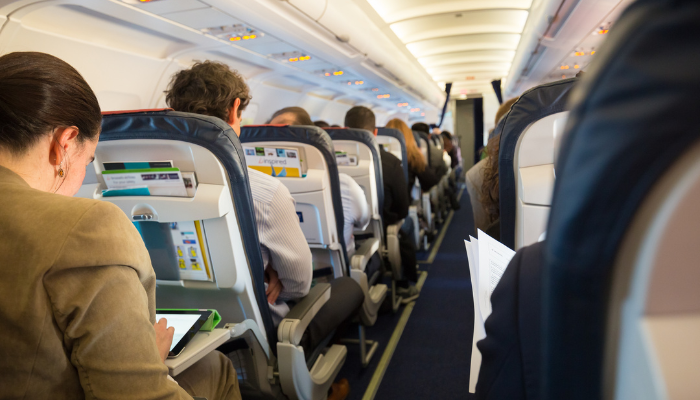
Photo by katso via Canva.com
Pets on Overseas Flights
Pets on overseas flights have a unique set of hoops to jump through. The entrance laws depend on the country. This could involve more vaccinations, identification, and health certificates.
Timing is critical for a successful overseas military move, but we all know hard orders and visas take their sweet time. It’s not unheard of for families to split flights if the service member is expected at their new duty station, but the pet transport is delayed.
This ambiguity is one of the most frustrating parts of OCONUS travel because health certificates are dated and typically need certification ten days before the flight, which might not be possible while waiting on orders, passports, visas, and pet openings on each flight.
The U.S. Department of Agriculture’s Animal and Plant Health Inspection Service also has specific information about what each country requires for animals to enter (possible quarantine), including what documentation your pet needs to come home to the U.S.
Get more information about moving overseas with your pet.
Alternatives to Commercial Airlines
By far, the most coveted pet transportation option for an overseas military move is what is known as the Patriot Express, powered by the Air Force’s Air Mobility Command. These flights are based out of Baltimore/Washington International Airport and Seattle-Tacoma International Airport.
The fees are reasonable, but the pet space is very limited. Pets can fly in the cabin or cargo, depending on their size and the aircraft's size. For more information, read AMC’s pet travel brochure.
Private Pet Transportation
The pet transportation industry has boomed as pet owners find traditional air travel stressful and unreliable. Private transport companies offer various flying options, from complete concierge services (for the most discerning animals) down to simply helping you fill out international paperwork.
Users love the service because of the employees’ attentiveness and care for their fur-children, but owners could easily pay thousands of dollars for door-to-door transportation. Start with the International Pet and Travel Association (IPATA) to begin your search for a reputable pet transport company. They source recommended and vetted companies serving airports across the globe.
back to top
Your Best Bet Is a Visit to the Vet
You have a million questions about moving with your animals. Don’t worry; your vet has the answers! This is especially true if you can snag an appointment with a veterinary office on base. They can help with everything, including what vaccines your dog and cat need for international travel, quarantine rules, and updating microchips and ID tags.
Make an appointment with your veterinarian as soon as you have a good idea of your moving date. You’ll need to ensure all vaccinations are current and get your pet a health certificate for overseas moves within ten days of leaving the country. So, book this appointment early and ask your vet for flexibility when rescheduling. Remember, you’re tied to the availability of flights and passports.
Using a military vet for required paperwork is ideal because they’re well-versed in the requirements. It’s also a good idea to check in with the Veterinary Treatment Facility at your new base. They’ll share a checklist that guides you through the steps needed for transport.
If you have a scaredy-cat or pup, discuss with your vet if the pros outweigh the cons of using an anti-anxiety medication. Sedatives can interrupt the natural process of how an animal regulates their body temperature when handling stress, leading to dire consequences.
Compile a File for Your Furry Friends
Today, we gather essential records electronically and easily compile documents via smartphone applications or website links. The convenience of online access to your tail-wagger’s veterinary history can make transferring to a new office as easy as a walk in the park (or as simple as a romp with catnip?). Virtual records help your old vet connect with your new vet if there are issues lost in translation, such as verifying shot records and testing for heartworms.
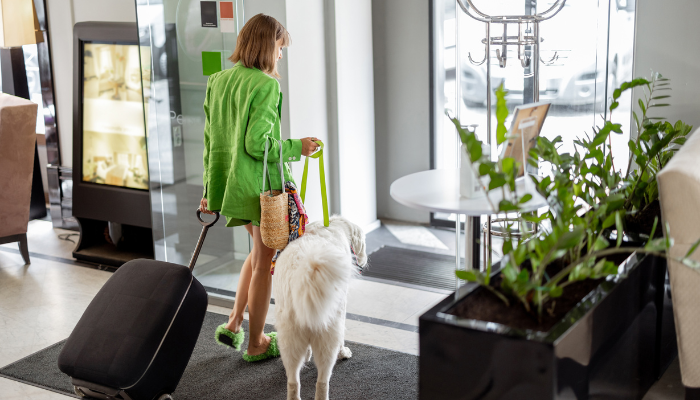
Photo by RossHelen via Canva.com
Boarding for Your Pet
The best-case scenario for the end of a PCS move is that you coast into your new driveway and let the pups and kitties out to explore their new home. But, more likely, you’re looking for a pet-friendly hotel while waiting for the previous tenants to leave or searching for temporary boarding.
If you’re moving during the holidays, the stakes are higher. Alternatives to Pet Boarding During the Holidays helps military families find more opportunities for care.
Here are three tips to help you find somewhere to crash with your pets.
1. Verify hotel and temporary rental pet policies.
You don’t want to show up with a pet you thought was legal but isn’t, and have to leave. It’s worth a phone call to ensure the hotel’s “no pet policy” is updated online (the front desk crew knows the policy best). Or, check in with the owner of the perfect “no pets” rental you found. Maybe they’re in the financial position to take a dog rather than have zero bookings for the month.
2. Call your new veterinarian’s office.
Some facilities offer boarding, and if they don’t, they can refer you to either a kennel they trust or someone on staff who moonlights as a pet sitter in their house.
3. Search your new base, as some have pet care facilities.
Wouldn’t having affordable pet care while in temporary lodging be nice? Pet care is wildly popular on base, so if you have an inkling this might be a boarding solution, go ahead and make the reservations and cancel within the no-fee window if you get into your house sooner.
Start your pet transport plan early! There are so many decisions to make and restrictions on time and budget to work around, so plan with flexibility in mind. For example, departing from an alternative airport may keep your dog on the ground longer. Or, if driving, shorten the days to make the car ride less stressful for the cat.
Enduring a move can be frightening for an animal. Do what you can to keep the best interests of your dear ones in mind. You’ll probably notice them trying to comfort your stressed state of mind, too. Reassuring your four-legged friends and having a family game plan for the changes ahead will set your course towards a smooth military relocation.
By Dawn M. Smith
Get even more tips for your military move with our free series of PCS ebooks!


back to top