Photo by Vesnaandjic from Getty Images Signature via Canva.com
In this article:
Updated 2026
One perk of renting a home is the lighter burden of responsibility. Homeownership is not only a larger financial commitment, but more taxing than renting in many ways. Renting offers the peace of mind that if something breaks, the repair costs don’t typically come out of the tenant’s emergency fund.
Which annual home maintenance tasks and repairs are the landlord responsible for and what is the tenant expected to maintain? Further, what happens if either party fails to uphold the expectations?
Who's Legally Responsible for Repairs? A Landlord and Tenant Breakdown
What's Expected from Landlords
Why is it important to understand what the landlord is accountable for? There are two main reasons: to protect tenants' rights, and to understand where the landlord's responsibility ends and the tenant's begins.
Landlords are legally required to maintain a habitable living environment. The property must have running water, working electricity and heat, structural integrity, and freedom from infestations. This standard is known as the "implied warranty of habitability."
Regulations Landlords Must Follow
Landlords are legally responsible for ensuring their rental properties meet basic health and safety standards. These include the following criteria:
- Ensuring that structural features like the floors, stairs, walls, and roof are stable and in good condition
- Keeping shared spaces, such as hallways and stairwells, clean and safe
- Maintaining systems like plumbing, electrical, heating, ventilation, air conditioning, and elevators so they function properly and safely.
- Providing a consistent supply of hot and cold water, as well as heat, within reasonable levels and timeframes
- Addressing environmental hazards, such as lead-based paint or asbestos, to prevent serious health risks
- In most states, taking reasonable steps to protect tenants from foreseeable criminal activity
- Handling pest problems, including infestations of rodents or insects, in a timely and effective manner
These rights apply in nearly every state, regardless of what the tenant signs. A landlord cannot avoid these responsibilities through a disclaimer or waiver, and any attempt to do so typically won't hold up in court.
What's Expected from Tenants
While the landlord must create and maintain reasonable living conditions, they’re not solely liable for the property's condition while the tenant resides there. The tenant living in the home assumes responsibility for some annual home maintenance and repair tasks.
Tenant Repairs and Maintenance
For perspective, the landlord is the property owner, not the housekeeper. As the owner of a substantial financial investment, their expectations of tenants are simple. They want tenants to care for the property as if it were their own, respect the space, clean up after themselves, and communicate if there’s something wrong.
Most states require tenants to:
- Keep the rental unit as clean and safe as the condition of the premises permits.
- Dispose of garbage and other waste cleanly and safely.
- Keep plumbing fixtures as clean as their condition permits.
- Use electrical, plumbing, sanitary, heating, ventilating, air-conditioning, and other facilities and systems, including elevators, properly.
- Cover repairs for damage tenants cause through misuse or negligence.
- In many states, notify the landlord promptly of defective or dangerous conditions on the property.

Photo by Africa Images via Canva.com
Tenant Maintenance Expectations
Some circumstances get a little murky and less clear-cut. Not only do the specifics of the laws vary from state to state, but landlords (within the law) can also set expectations for their tenants. Although the law broadly covers renters' home maintenance, landlords typically provide detailed lists outlining specific tenant responsibilities, and not all landlords expect the same thing.
Here's what a group of military landlords had to say when asked, "Which seasonal home maintenance tasks do you expect your tenants to handle?"
Jessica: "For our rental properties, our tenants must maintain the lawn— that's the biggest thing. I guess I'd also say change light bulbs and the air filter. Everything else goes through our property manager. We communicate with them if it requires us to, usually for more expensive fixes."
Alejandra: "Lawn, air filter, fridge filter, light bulbs. We take care of major landscaping when necessary, pest control, power washing, and yearly A/C maintenance."
Doug: "We require tenants to let us know when something's breaking (like a leaky toilet flapper valve) or broken (it won't stop flushing). Then we fix it. We pay for repairs due to normal wear and tear. If they broke it, then they pay for fixing it, but they don't get to fix it on their own."
The spectrum of property upkeep for rentals and what landlords require from their tenants is wide, but the most common tasks landlords expect fall under this general checklist:
- Follow HOA rules. Respect quiet hours, keep the yard clutter-free, and park in designated areas.
- Keep the home clean. The home should be free of excessive clutter, mold, and pests to keep the home safe and habitable.
- Dispose of garbage. Tenants should stick to the weekly trash schedule to dispose of trash, pet droppings, and leftover food promptly.
- Fix any damage caused. If a tenant breaks a window, damages the carpet, or clogs a drain, they should call the landlord. Even if it’s the tenant's responsibility to replace, the landlord needs to know what happened and organize the repair, or permit you to.
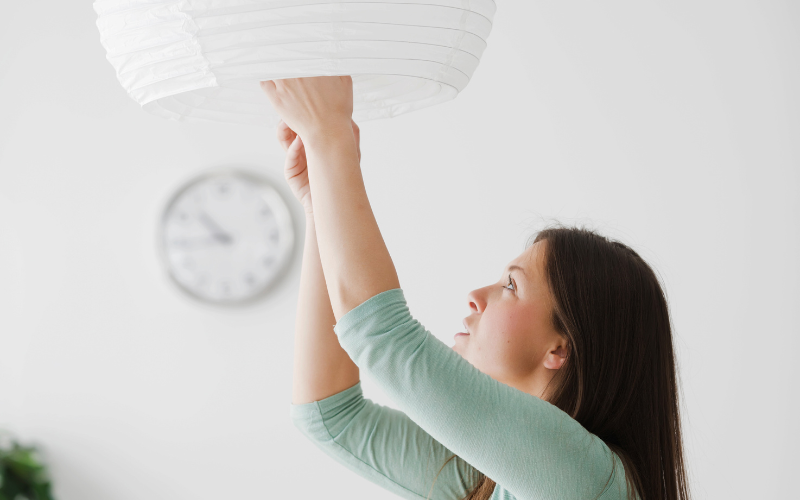
- Replace burned-out light bulbs. Do most landlords want their tenants to call them if the kitchen light went out? Most will expect their tenant to head to the store and replace it with an identical bulb. However, it’s still a good idea to let them know, because many high-efficiency light bulbs come with warranties and they might be eligible for a free replacement.
- Maintain the yard and landscaping. While it’s unlikely that the landlord will want the tenant to replace dead flowers, they’ll expect them to maintain what’s there, including watering, trimming, and mowing the lawn.
Some landlords require more than the above and provide seasonal home maintenance checklists for tenants to help with upkeep. Some examples include:
- Change air filters.
- Verify the radon mitigation system is running.
- Clean the range hood filter as needed.
- Clean the garbage disposal with vinegar ice cubes.
- Test the water heater pressure release valve.
- Vacuum/clean the refrigerator coils.
- Check caulking and grout around showers, tubs, and toilets, and repair as needed.
Learn more: Which Repairs Are NOT Your Landlord’s Responsibility?
While this is a general checklist, the lease should provide a detailed account of the tenant's rights, repairs, and maintenance, and what the landlord expects of them. Clear communication between tenants and landlords is better than making assumptions.
What Happens if Your Landlord Fails to Uphold Standards?
What if the worst happens, and something major goes wrong with the property? For instance, the heater breaks during a week of record snowfall. The tenant calls the landlord, but they don't answer. After multiple attempts to get in touch with them, they're officially unresponsive. Or, they do pick up, but in either case, they fail to follow up and address the issue.
What can the tenant do?
"Violations of Federal or State-level Landlord/Tenant Law or failure to maintain all vital services, such as working plumbing, access to heat, electricity, running water, and proper trash receptacles are big issues and provide significant recourse, such as withholding rent, legal action, or breaking the lease (without penalty) to move." -Kristi Adams
-
Withhold rent. In many states, tenants can withhold rent if a landlord doesn't fix conditions that make the unit uninhabitable. However, this is strictly regulated. Tenants must follow proper legal procedures, such as giving written notice and allowing time for repairs. In some states, tenants place rent into an escrow account where allowed by law to show good faith while withholding payment until the issue is fixed.
-
Repair and deduct. More than half of U.S. states allow tenants to repair certain issues themselves and either deduct the cost from rent or request reimbursement. This usually applies to essential but smaller repairs and requires proper notice and documentation.
-
Take legal action. If conditions become dangerous, unlivable, or financially harmful, tenants can sue the landlord. Legal action may also be appropriate if violations involve discrimination or retaliation.

Photo by Magic K from Pexels via Canva.com
What Happens if the Tenant Fails to Uphold the Standards?
While the worst-case scenario for the tenant is an unresponsive landlord, the worst case for any homeowner is an irresponsible tenant. If the tenant fails to follow the expectations detailed in the lease, what happens?
This scenario is a breach of lease. In this case, landlords can either sue, evict, or both. If the landlord chooses to evict, they must follow a state-regulated process. State laws vary on the allotted timeline, but the steps are typically as follows:
-
Give notice to the tenant. The landlord must give formal notice of the lease violation. The required time frame can range from a few days to 30 days, depending on state law and the type of violation.
-
File a complaint. If the issue isn’t resolved within the notice period, the landlord may file an eviction lawsuit with the local court.
-
Court summons. The court then notifies or "summons" the tenant, giving them a chance to appear in court and respond.
Frequently Asked Questions (FAQs)
1. What repairs are landlords responsible for?
When it comes to landlords’ responsibilities, think safety first, then add health-related circumstances. Tenants must have hot and cold running water, safe and working electrical systems, heat, air conditioning, sound structural features, and a pest- and infestation-free environment. Environmental hazards like lead paint and asbestos must also be abated.
2. What are considered repairs vs. capital improvements?
Typical repairs include anything that maintains daily life in the house, like fixing a running toilet or replacing a window pane. Capital improvements increase the property value or lengthen the house’s overall lifespan. They’re usually large investments, like replacing floors, installing a completely new roof, or installing a brand-new HVAC system.
3. What legal actions can landlords and tenants take if the rental agreement terms aren’t met?
Both parties can ultimately go to court to resolve disputes, but they must follow several legal steps first.
If tenants are wronged, they can withhold rent or make the repairs, and then deduct the cost from their rent. If the landlord has a case, they can sue, evict, or both, but first they must give formal notice to the tenant, then file a complaint if the action isn’t corrected, and finally ask the court to summon the tenant.
Because landlord-tenant expectations differ significantly across states and even between individual landlords, misunderstandings often happen. Clear, timely communication is essential. Tenants who proactively seek clarification, report issues promptly, and maintain a respectful relationship with the landlord are better positioned to avoid disputes and ensure a smoother rental experience.
Download our free ebook for landlords below:
back to top