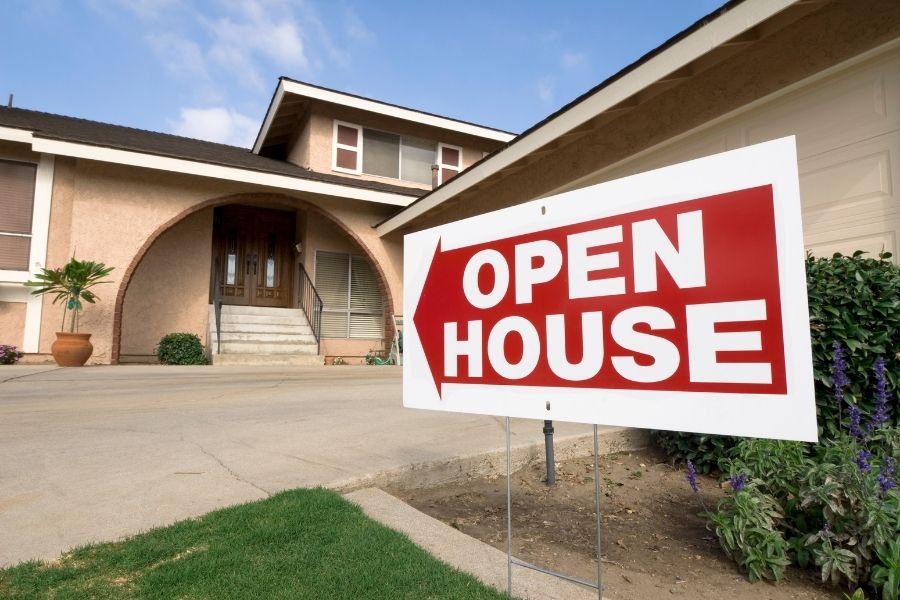
Photo by joebelanger from Getty Images via Canva.com
In this article:
Today’s open house operates a little differently than in years past. Now, before home buyers even set foot over the threshold, they’ve scoured a home’s online advertisements, memorizing the slightest details of the homes they like best.
Previously, an open house was a way to learn about a home without prior knowledge of it. House hunters took their time, asked questions, and pondered possibilities. There might have been a social aspect as well, as they interacted with the agent and other buyers over freshly baked cookies.
For home buyers today, it’s an insurance policy, ensuring their hours of research and instincts are accurate. If all checks out and the property is priced correctly, there’s a good chance that multiple offers will be waiting at the end of your open house. To accomplish this, you must meet the home shopper’s expectations, hopes, and dreams they’ve imagined simply by viewing your property online.
Use this guide to get real estate open house ideas and attract the best buyers!
Preparing for Your Open House
Decide if You'll Work with an Agent or Plan a For Sale By Owner (FSBO)
Early on, you’ll need to decide if you’re working with a real estate agent or selling your home for sale by owner. Regardless of which option you choose, you’ll play a role in your open house.
Prepping for Your Open House
Don’t underestimate the time it takes to prepare for an open house. It’s never a bad idea to start a couple of months ahead and begin purging your belongings. A “selling your home” checklist can help ensure that nothing goes overlooked. If your agent advises removing furniture or other items to prepare your house for sale, arrange additional pickups for donations and trash and look into storage options.
Always remember you’re preparing your home to meet demands. You may like living a certain way, but if it doesn’t match the local buyer’s pool, then the property won’t move as quickly or sell for as much.
Declutter Your Home
Light. Fresh. Airy. These are the words buyers commonly use to describe what they’re looking for in a home. It’s up to you to deliver. Considering the whole situation also means you're preparing for the future. Cut the clutter. You certainly don’t want to box up unwanted items. A good purge helps save money on moving costs.
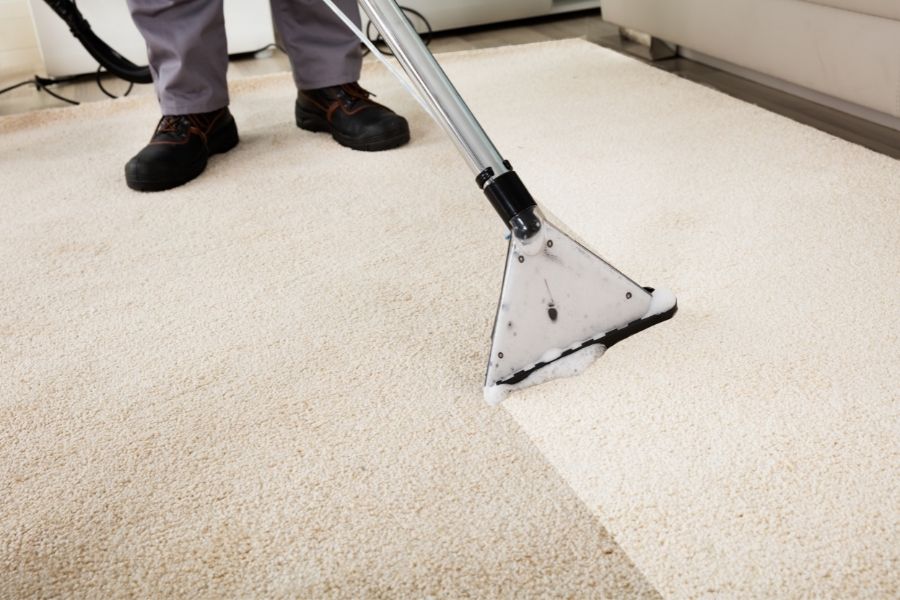
Photo by AndreyPopov from Getty Images from Canva.com
Time for Deep Cleaning
It's no exaggeration to say that buyers notice minor details, including whether your baseboards and window coverings are clean. It doesn’t seem like these nitpicky items should make or break a sale, but if the little dirty items throughout the house add up, they could crush a buyer’s interest if they feel you haven’t kept up the house well.
Unpleasant smells are a massive turn-off. Everyone has a bit of “nose-blindness” for their own home. You should recognize that attendees could leave without touring the whole house if they detect pet, food, or moisture odors. You may need to shampoo your carpets and rugs, as well as wash the furniture and curtains.
Consider hiring a professional cleaning crew before the open house. Don’t forget to tidy out the garage, closets, and other storage spaces buyers will probably peek into.
Neutralize Your Home Decor
Neutralizing is a two-part strategy.
1. Remove most personal items, especially photographs. Too many personal effects prevent buyers from envisioning their belongings in the space.
2. If you love color and your house is a vivid reflection of your paint choices, consider repainting with a neutral color to capture a larger swatch of buyers who appreciate the move-in-ready quality. People often like neutral paint colors because they can see how their furniture fits in the space more easily.
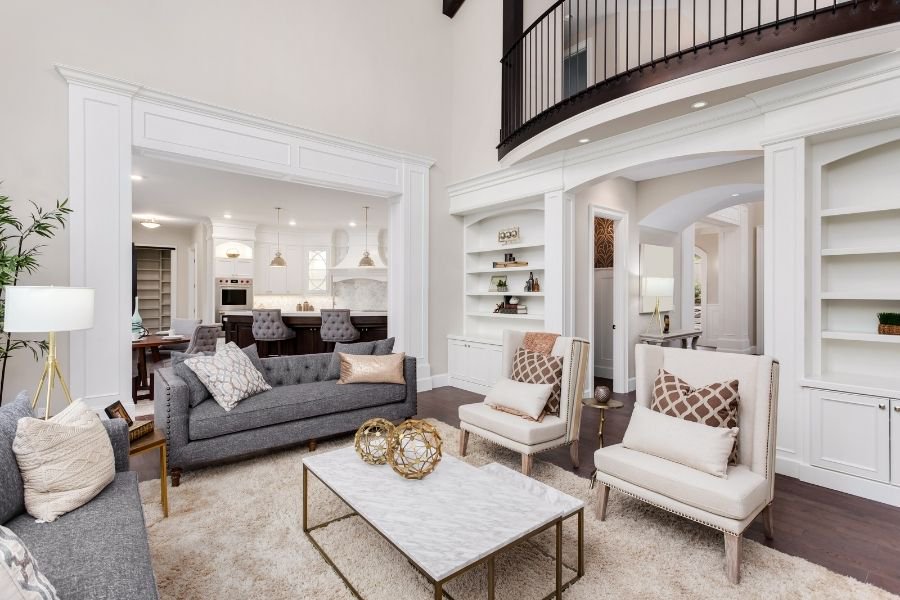
Photo by AndreyPopov from Getty Images via Canva.com
Home Staging
At some point during the getting-the-house-ready-to-sell process, you may consider either DIY home staging or, if your market dictates, hiring a professional stager to provide tips for staging your house to sell before the open house.
Home staging is another tool to market and showcase the property, as it allows buyers to see the house fitting into their lifestyle. You may only need a few staging notes, but professionals can transform an ordinary house into an extraordinary home. These are some of the fixes they might suggest.
- Rearranging furniture placement to accentuate traffic flow and spaciousness.
- Offering a color consult to choose new paint for walls, trim, and ceiling.
- A full-service staging plan that includes minor renovations like hardwood flooring and fixture updates.
- The option to rent furniture and home accessories for marketing photography and open houses.
Curb Appeal
Your house’s exterior is critical to the sale, not only for your open house but because it’s the calling card for your marketing plan. There’s a reason the lead picture on a home advertisement is the front shot of the exterior.
Curb appeal sets the tone for what buyers will find inside, so don’t ignore the chance to spruce up your yard space. Here are suggestions to improve any home’s curb appeal.
- Powerwash: siding, sidewalk, patio, deck, porch
- Landscape: weeding, tree and bush trimming, mowing, edging
- Plant: flower pots, flower beds, hanging planters
- Update: address numbers, mailbox, front door color, lighting
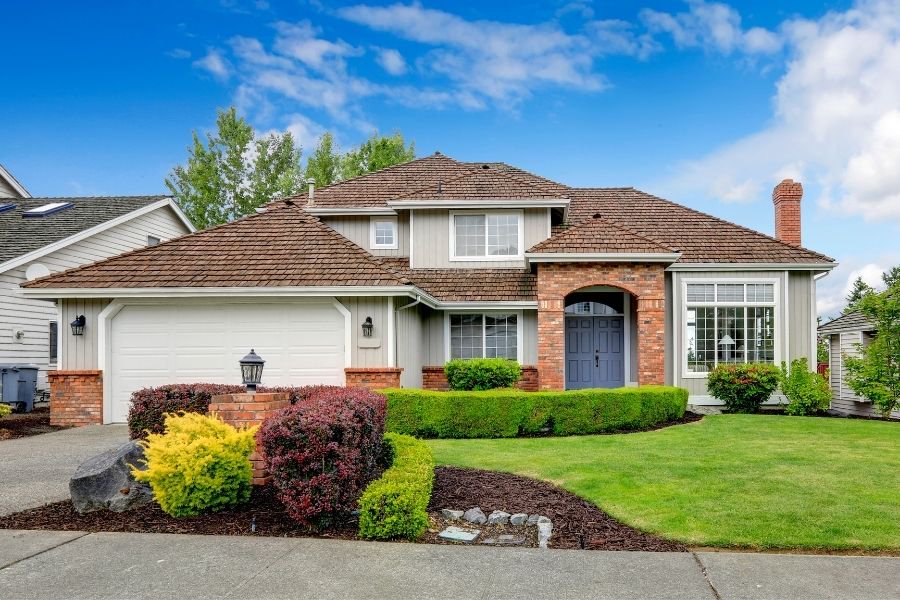
Photo by irina88w from Getty Images via Canva.com
The Power of Photos
Now that your house is picture-perfect, you need photos to show off your property. Next, you’ll add the photographs to your on and offline marketing strategy.
DIY Photos
Some guidance for DIY photos:
- Take advantage of natural light by opening window coverings.
- Photograph multiple angles of standout rooms, such as a spa-quality primary bath or the bells and whistles in the chef’s kitchen.
- Never upload dark photos.
- Find out which orientation works best with your marketing platform. In most cases, it’s landscape.
Need more photo help? Read:
Professional Photos
Hiring a professional photographer can enhance your marketing efforts based on the trends in your local real estate market, particularly if you own a high-end property or could use drone photography.
Selling an empty house? No problem! Learn what virtual staging can offer: How to Virtually Stage Your Home Even if You’re Tech-Challenged.
Marketing Your Open House Online
By now, it’s widely known that the first place most home buyers search is online. Whether it’s your real estate agent’s website and social media or your personal accounts, you’ll need to get the word out about your open house.
If you’re selling with an agent, talk to them about which social media marketing they’ll handle for you and which you should handle on your own. Most likely, you’ll benefit from adding the information to your personal social accounts as well.
Connect with MilitaryByOwner Advertising, Inc.
MilitaryByOwner connects military buyers and sellers across the country, making it an effective tool for broadcasting your home and open house details.
MilitaryByOwner showcases open houses and homes for sale on its site and social media channels each week. Since military buyers, sellers, and renters are so unique, it’s a perfect way to get them the information they need when they need it. Whether you’re selling your home as a FSBO or through an agent, you’re welcome to add your listing to MilitaryByOwner!
back to top
When Should You Schedule Your Open House?
Like most topics associated with real estate, your location and the local buyers’ pool dictate when you should hold your event. Most likely, weekends offer the best opportunities, but the timeframe, usually between 11 a.m. and 4:00 p.m., can fluctuate depending on local traffic and lifestyle patterns. Sundays are the traditional favorite.
Post the Home's Details a Few Weeks Before Your Open House
Your fabulous photos will speak thousands of words, but you’ll need to add a short and sweet description of your home’s highlights, whether it’s a commuter’s dream, a recently renovated kitchen, or a backyard oasis. Drop in the best details. Don’t forget to include the open house information: date, time, and, if needed, specific landmarks or directions.
You may need to tailor the description slightly to fit the restrictions on social platforms, but a basic template saves you time. Don’t forget to include relevant hashtags like #openhouse, #househunting, and #curbappeal. Customize them if possible by adding your city’s name or the local area’s highly searched terms.
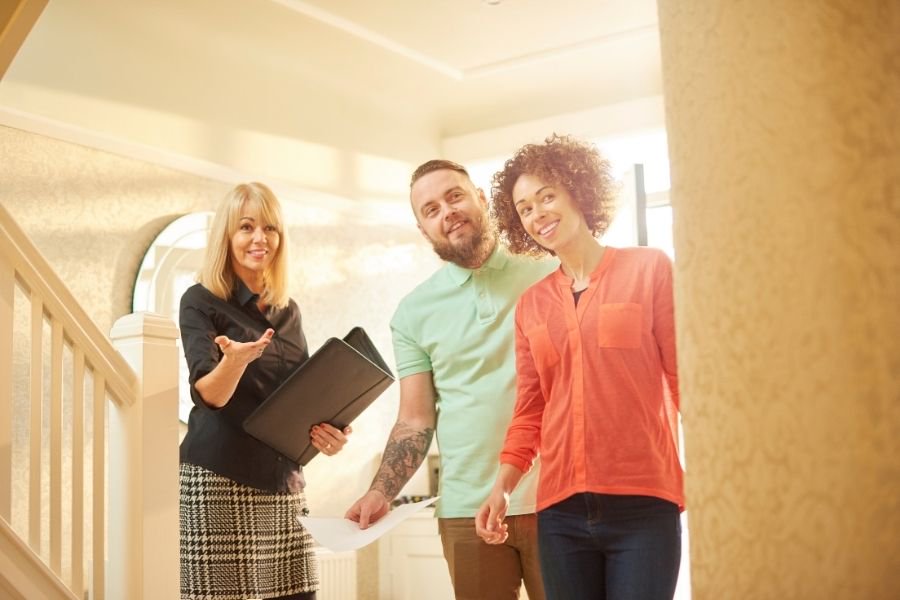
Photo by sturti from Getty Images Signature via Canva.com
Plan a Small Preview Event for Friends and Neighbors
There’s nothing like the power of word-of-mouth advertising. If it's within your time and financial budget, consider hosting a small, invite-only preview of your property a few days before the official open house. Your neighbors are definitely interested in your home, especially if they’ve watched the renovations and repair process from afar. So, harness their curiosity, as you never know who they will share the listing with.
Open House Day
An open house is exciting for everyone, but your job on the day is different depending on whether you’re working with an agent or handling the event on your own. Here are a few things to keep in mind.
Open House Signage
A couple of days before the open house, you or your agent should place signs on street corners around the home, directing traffic to your front door. Get street pointers and yard signs from MilitaryByOwner.
Don’t lose potential buyers because they can’t find the property. Be respectful of neighborhood rules about signage, but use enough signs so that home shoppers can easily find your house.
If Your Real Estate Agent Is Running the Open House
If you're working with an agent, trust their judgment and ideas of home staging and easy repairs. Often, they'll also employ another agent or assistant for each floor of the home if the home is large. Let them do their job! You should also have manuals and service reports for appliances and systems, such as water heaters and HVAC systems. You will want to have them for the new homeowner, but it's nice to display them at the open house as well.
You’ll leave the house (bring the kids, dog, and cat with you) for a couple of hours and let your agent work their magic. And after they close the doors, they’ll share the good news and any lessons learned.
A For Sale By Owner Open House
By now, you should know just about every detail of your house, from the square footage and average utility bills to the local school districts. Buyers will ask general and specific questions about most topics, so get ready. You’ll also want to prepare the house for visitors.
- Turn on all the lights.
- Open all the blinds.
- Bake cookies for a homey smell and a tasty treat for guests.
- Gather your marketing materials.
- Play soft music throughout the home.
- Don't make it awkward for the home searcher. Examples include talking too much or following them around with every move. Be available to answer questions, but allow them space to talk privately too.
- Park a couple of cars on the street to give the appearance that there are multiple people in the house.
- Never do an open house solo. Whether you're using a real estate agent or selling your home as a FSBO, have at least one other person in the house, ideally one person for each level of the home. This will help with the safety and security of belongings, along with being available to give facts about the home or answer questions.
- Have a sign-in sheet to collect names, emails, and phone numbers.
- Make a sign or have a basket of booties for potential buyers to use if you prefer they take off their shoes.
After the Open House
After the showing, it’s time to start considering your options. If the reception was hot, you’ll have plenty of follow-ups and potential offers. If it were neutral, you should consider boosting one of the key selling elements, like curb appeal or neutralizing paint. If the open house didn’t drum up interest, it’s time to reevaluate whether you need a real estate agent’s help, a bigger marketing plan, a price change, or possibly all three.
When it comes to the actual open house, this may be one of the easiest parts of your home-selling journey, since you’ve done the time-intensive prep work already. For more real estate open house ideas, download our free Guide to Selling Your Home below.
By Dawn M. Smith
back to top