Photo by Scovad from Getty Images Pro via Canva.com
In this article:
Once only used as a tool to market high-end vacant homes, home staging now has a proven track record for successfully selling many properties when combined with competitive pricing. Yet, home sellers are still reluctant to stage their homes even during strong buyer's markets, leaving their houses on the market for needless months at a time.
Why do homeowners forego staging their homes? The answer is that despite its positive coverage in the media, real estate shows, and urging from their real estate agents, most sellers don’t really understand what home staging involves or how it benefits them.
Here’s a rundown of staging basics and their effect on how buyers respond to a home.
What Is Home Staging?
Home staging is the sophisticated practice of preparing and showcasing a property for sale. It involves using real estate knowledge, home renovations, and creative design to make a home more marketable and attract buyers. Unlike decorating, staging aims to make the house appeal to the popular tastes of buyers, not the seller.
Staging typically involves the following:
- Decluttering: Purging or storing excess furniture, accessories, and everyday items to make the home look spacious.
- Depersonalizing: Removing distinct signs of the seller’s decorating preferences and lifestyle so the buyer can imagine themselves living there.
- Updating: Making sure a home’s colors and finishes reflect current home decorating trends and aren’t immediately associated with a specific decade.
- Neutralizing: Ensuring the home's colors, materials, and finishes easily adapt to different decorating styles.
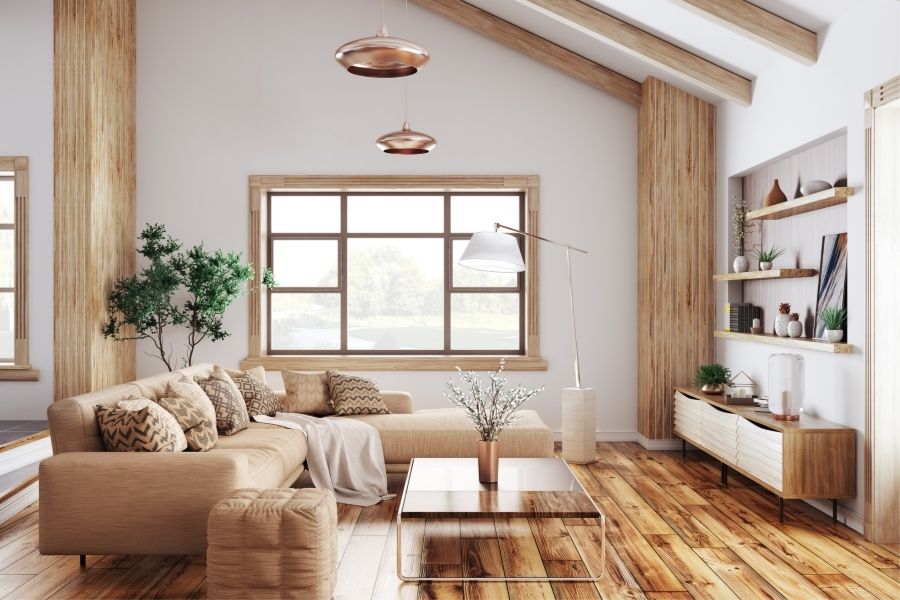
- Styling: Arranging furniture to emphasize focal points and architectural details, improve traffic flow, support each room’s purpose, and maximize spaciousness. Adding or positioning decorative accents and lighting to make rooms look and feel inviting.
- Cleaning: Cleaning all surfaces of dirt, stains, and dust. Ensuring the home looks bright and smells fresh throughout.
Home Staging for Occupied and Vacant Homes
While staging occupied and vacant homes are equally effective, they require opposite approaches.
Occupied Homes
Staging occupied homes involves editing the seller’s furnishings and décor choices so potential buyers can easily imagine themselves living there.
Vacant Homes
Staging a vacant home involves adding furniture and accessories to make the space feel less sterile and more inviting. This process is essential because it helps potential buyers:
- Establish Scale: By adding furniture, buyers can get a better sense of the actual size of each room and understand how much furniture they can hold.
- Suggest Use: Staging helps to define the purpose of each room, guiding the buyer's imagination.
- Create a Model Home Look: Full-service staging for vacant properties often includes renting furniture and accessories to create a model home aesthetic, offering buyers decorating possibilities and a point of reference for room size and scale.
Ultimately, this helps buyers envision themselves living in the space and connect emotionally with the property.
Exterior Staging
Staging isn’t just for a home’s interior; the principles described above are also applied to the home’s exterior to create "curb appeal"—a neat and inviting appearance from the street. It may involve trimming trees and shrubbery, freshening planting beds, adding potted flowers, power washing, painting, or adding new accessories, like a mailbox or house numbers.
More tips for getting your home ready to sell: The Most Important Updates and Repairs to Make Before Selling Your Home.

Photo by Liza Summer from Pexels via Canva.com
5 Ways Staging Benefits Home Sellers
"Why should I spend money on a home I’m trying to sell?" is a question many sellers ask about staging. Once a home is on the market, it essentially becomes a product that needs proper pricing, packaging, and promotion to attract buyers. Staging ensures that a home appeals to buyers, which gives sellers the following advantages.
1. Staged Homes Sell Faster and for More
Competitively priced and professionally staged properties sell faster. Even in a slow real estate market, staged homes consistently attract offers more quickly than those that weren’t staged. Staging saves sellers money in the long run by decreasing the number of days the house is on the market, reducing carrying costs and the need for price reductions.
According to the Real Estate Staging Association, competitively priced homes that were staged before listing—regardless of whether occupied or vacant—sell roughly four times faster than comparable unstaged properties. Even properties that went on the market unstaged and then were later staged, after not attracting offers for 90 days or more, sold in an average of 42 days after staging.
2. Staged Homes Look Better in Photos
Photos of staged listings look better than photos of vacant or unstaged listings. More than 90% of buyers begin their home searches online, and listings that include pictures of clean, bright, staged homes capture attention more often than listings of vacant or unstaged homes. Buyers’ agents are also more inclined to request showings of staged homes for their clients.
3. Staged Homes Look Move-In Ready
Professionally staged homes are regarded as "well-maintained" and stand out in prospective buyers' minds. Homes with updated colors, finishes, and amenities are viewed as a better value because they are move-in ready. The buyer won’t have to spend additional money on repairs or renovations right away.
4. Home Staging Protects the Property's Value
Professional staging helps preserve a home’s value at appraisal. Staging identifies and addresses basic maintenance, repair, and cosmetic issues, including replacing outdated fixtures or appliances with energy-efficient ones. This improves or at least protects the overall value of the home.
5. Home Staging Connects Generations of Buyers and Sellers
Professional staging bridges the age gap between buyers and sellers. The average first-time buyer is 38 years old, and the average seller is 63 years old, and each has different preferences and values when it comes to homes. Staging considers these different perspectives and addresses the lifestyle differences between generations.
Need home DIY home staging inspiration? Try the tips in Showcase Your Home Like an Agent.
Choose the Staging Services You Need
While the seller can complete much of the essential work when preparing a home for sale, hiring a professional adds a level of polish that most homeowners cannot achieve on their own. Professional stagers have specialized training, experience, and knowledge about what design features help a home sell.
Even when sellers decide to do the work themselves and sell their home as a For Sale By Owner (FSBO), advice from a professional stager can help you make strategic choices about which updates to make to get a better return on your home improvement investment.
The specific services professional stagers offer vary, but they generally fall into the following categories.
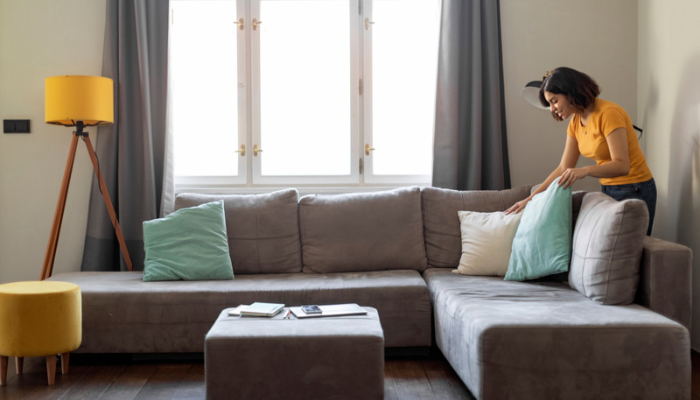
Photo by Prostock-studio via Canva.com
Professional Staging Advice
Most staging clients start with a consultation or assessment. A stager then visits the home for a walk-through and notes any issues needing attention. The recommendations will focus on every room's colors, finishes, fixtures, and furnishings. For some homeowners, the advice alone is sufficient to do the staging independently, or they may request a detailed do-it-yourself plan to guide them.
This option gives sellers the most control over staging costs. Sellers do the work themselves, at their own pace, and with their choice of products.
Virtual Staging
This service creates realistic images from photographs of vacant homes, showing buyers what the rooms would look like if they were professionally staged. In some cases, virtual staging is used on occupied homes, showing the rooms with different wall colors or less clutter.
Unlike traditional staging, virtual staging does not actually change the home. Therefore, buyers see the house in its unstaged state at showings, and the maintenance and repairs commonly addressed during physical staging may not be completed.
Targeted Staging
When the staging budget is limited, but the seller prefers a professionally staged look, targeted, or "impact," staging is an option. The service focuses on specific rooms, involves a few hours of styling, or involves renting packages of accessories for a predetermined staging period. Stagers often charge a flat fee for these services, so costs are predictable for sellers.
Full-Service Staging
This comprehensive service provides the "biggest bang for the buck" and addresses all areas of the home. Home stagers often recommend full service for homes whose colors, fixtures, furnishings, and accessories are taste-specific or outdated and need substantial refinement or replacement to appeal to today’s buyers.
For vacant homes, full-service staging often involves renting furniture and accessories to create a model home look, which gives buyers a better sense of decorating possibilities, suggests room uses, and provides a point of reference regarding room size and scale.
How Much Does Home Staging Cost?
The cost of professional staging depends on several factors: the size and condition of the home, the level of service desired, the seller’s budget, whether rental furniture and accessories are needed, and if any third-party contracting work (painting, electrical, carpentry, etc.) is required.
After an initial assessment, a professional home stager provides a quote for their services based on their observations and recommendations. According to Realtor.com, the average cost is $300 to $600 for an initial consultation and $500 to $600 per month per staged room.
Whether using a DIY approach or enlisting the help of a professional to help a home look its best, home staging is a good investment that will attract more buyer and agent attention online, in print, and in person. Staging presents the home as a good value that’s in move-in-ready condition.
By Dawn M. Smith
Need more help for your home sale? Get our free guide to home selling below.
.png)
_2.png)
back to top